When Your Furnace Quits at 3 AM: What Every Southern Illinois Homeowner Needs to Know About Heating
It’s 26 degrees outside, you can see your breath in the hallway, and your thermostat is reading 54 even though it’s cranked to 70. Your furnace made a grinding noise around midnight, ran for maybe ten minutes, then just stopped. Now you’re piling blankets on the kids, wondering if the pipes are going to freeze, and trying to figure out which HVAC company answers their phone at 3 AM on a Tuesday in January.
This exact scenario is playing out in someone’s house in Williamson County right now. Probably happened to your neighbor last week. And if your furnace is over 12 years old, made weird noises the last few times it kicked on, or struggled to keep up during that cold snap we had in December, you might be next.
January is the coldest month in Southern Illinois, with temperatures averaging between 26 and 40 degrees, but we all know it gets colder than that. The real problem isn’t just the cold. It’s how fast temperatures swing. You get a 45 degree afternoon, then wake up to 18 degrees and ice on the windshield. That constant cycling, your system turning on and off dozens of times a day trying to keep up, stresses every component. Blower motors, heat exchangers, igniters, gas valves. They all work harder in January and February than any other time of year. Most furnaces that fail this winter will quit in the next 60 days, right when you can least afford to be without heat.
Your Furnace Has Been Warning You For Weeks
Heating systems don’t just die without notice. They tell you something’s wrong for weeks, sometimes months before they quit completely. The problem is most people don’t know what they’re hearing.
That banging sound when your furnace starts up isn’t normal. Neither is the rattling, the high-pitched squealing, or the sound like someone’s shaking a can full of bolts in your basement. These noises mean something. Loose components. Failing bearings. A cracked heat exchanger that could be leaking carbon monoxide into your house. Any of these can turn a $300 repair into a $5,000 emergency replacement if you ignore it long enough.
Cold spots in your house aren’t just annoying. They’re diagnostic. If the back bedroom is 62 degrees while the living room is 72, your system isn’t distributing heat properly. Could be ductwork problems. Could be a dying blower motor. Could be your furnace was never sized right for your house to begin with. Either way, you’re paying to heat your whole house but only getting half of it warm.
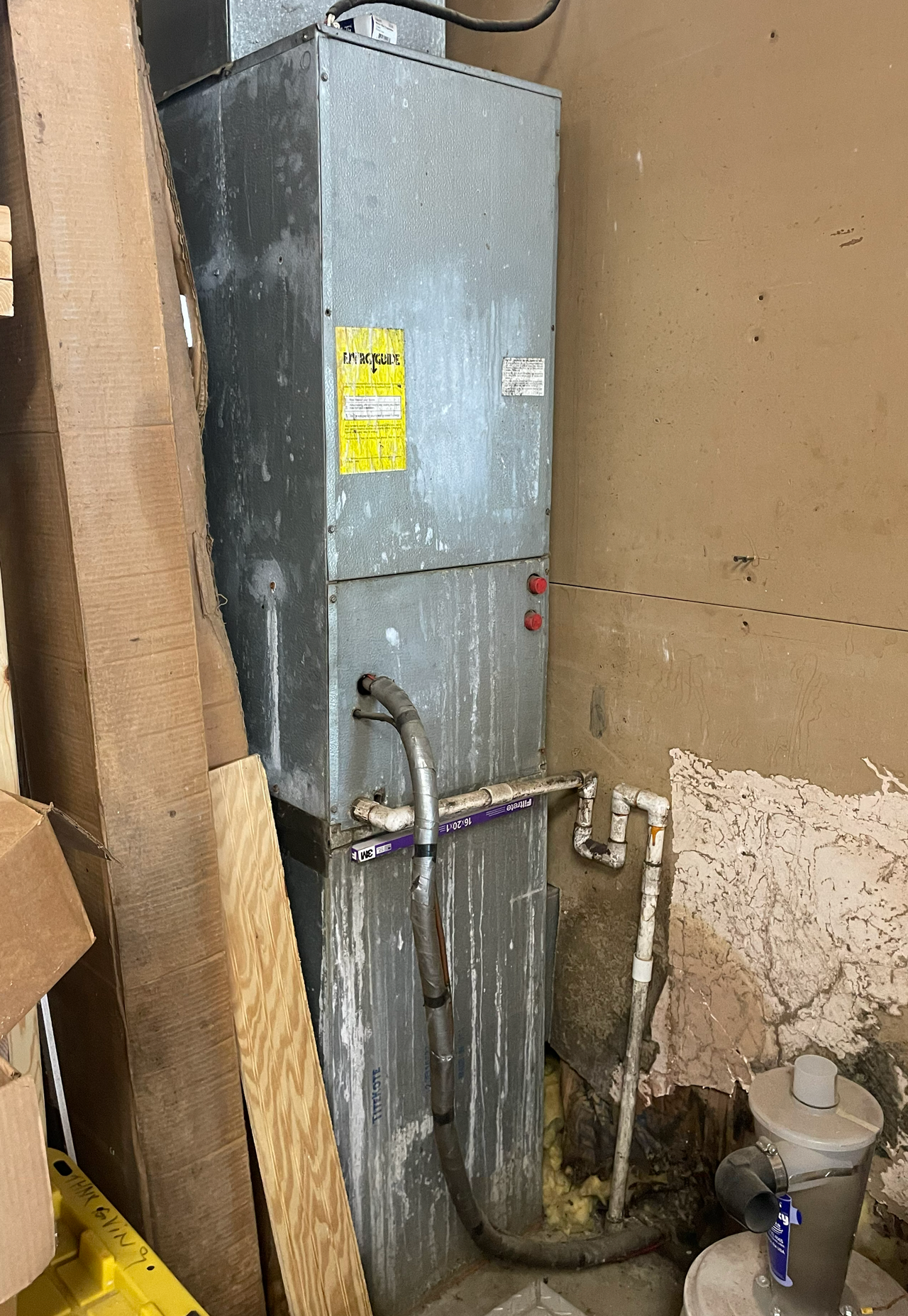
Your gas or electric bill tells a story too. If your January bill used to run $150 and now it’s pushing $250 or $300 without any rate increases from Ameren, your furnace efficiency is shot. A system with 80% efficiency wastes 20 cents of every dollar you spend on heat. When that efficiency drops to 60% or 50% because of age and neglect, you’re literally burning money. That extra $100 a month adds up to $400 or $500 over a winter. That’s a repair bill you’re paying anyway, just spread out over your utility costs instead of fixing the actual problem.
If your thermostat says 70 but your house feels like 64, something’s broken. Modern systems should hit target temperature and maintain it without running constantly. If yours runs nonstop and never quite gets there, or if it cycles on and off every few minutes without ever warming the house properly, you need a technician to figure out why before it fails completely.
The Real Cost of Waiting Until It’s An Emergency
Emergency service in the middle of winter costs serious money. Right now, every HVAC company from Marion to Carbondale is running full speed with service calls. When your heat dies on a Friday night or Sunday afternoon in January, you’re competing for appointment slots with dozens of other freezing homeowners. You’ll pay premium rates for after-hours service. You might wait 24 to 48 hours for someone to show up. And you’ll take whatever solution gets your heat back on instead of the most cost-effective fix, because at that point you just need heat.
Frozen pipes turn a heating problem into a whole different nightmare. When your furnace quits and indoor temps drop into the 20s, water lines freeze. Burst pipes mean water damage, ruined drywall, destroyed flooring, insurance claims, and remediation that costs thousands. One night without heat in your house can cause $10,000 in water damage you never saw coming. Ask anyone who’s dealt with it. They’ll tell you it’s not worth the risk.
Hotel rooms eat up money fast when your house is unlivable. A family of four spending three nights at a hotel in Marion or Carterville while waiting for emergency furnace repair adds $400 to $600 on top of whatever you’re paying to fix the system. That’s money you could’ve spent on scheduled maintenance or a planned replacement during the off-season when equipment costs less and installation schedules are flexible.
Your home loses value when systems fail at the wrong time. If you’re planning to sell in the next few years, a dying furnace that shows up during a home inspection becomes leverage for buyers. They’ll either demand you replace it before closing or knock $3,000 to $8,000 off your asking price to cover it themselves. Better to deal with it on your schedule than negotiate from a weak position when you’re trying to close a sale.
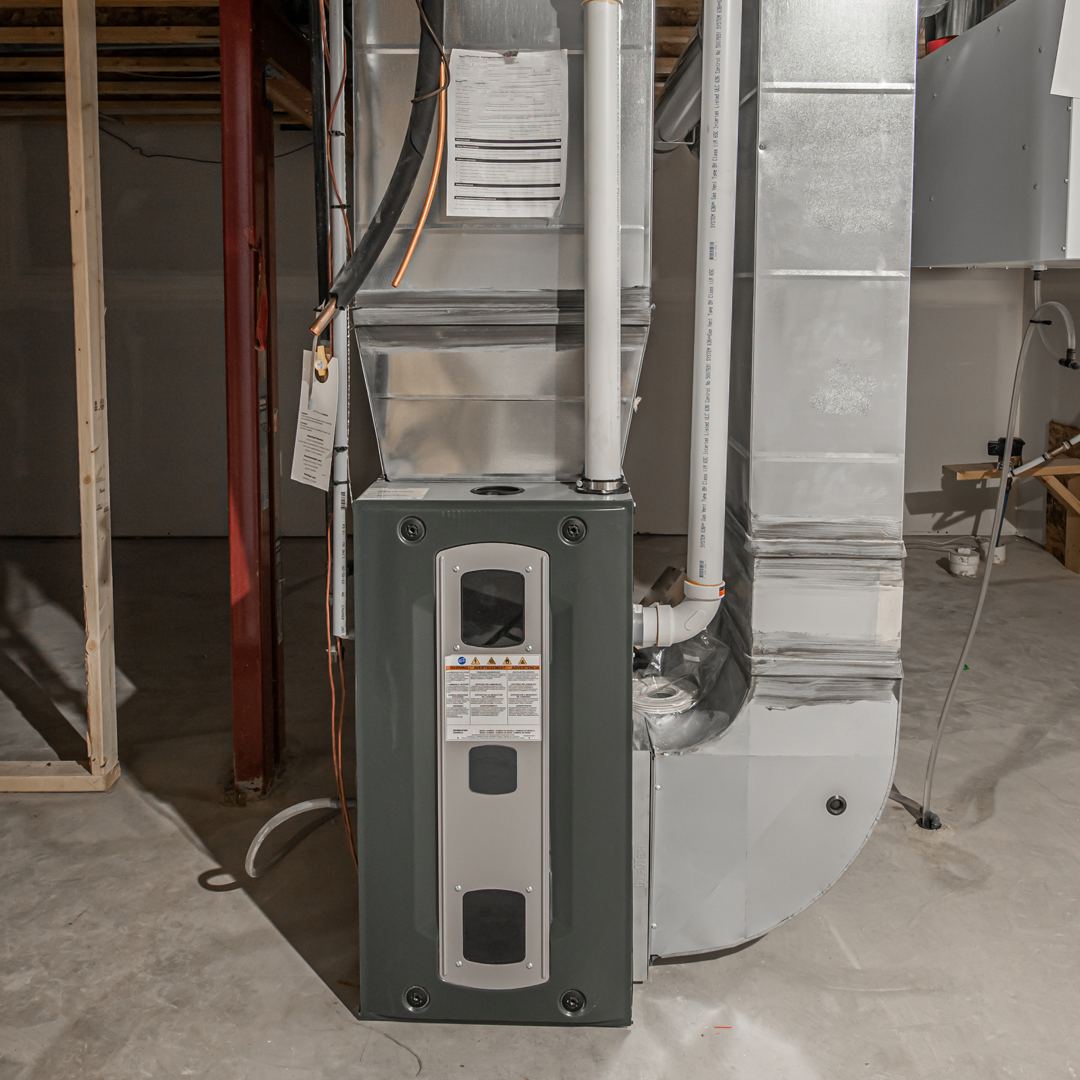
What Actually Matters When You Need A New Furnace
Efficiency ratings determine what you pay every month for the next 15 to 20 years. Annual Fuel Utilization Efficiency shows what percentage of your fuel actually becomes heat for your home. The difference between an 80% system and a 96% high-efficiency system is real money. In Southern Illinois, where heating season runs from October through April, that efficiency gap adds up to hundreds of dollars every year. Over the life of the system, it’s thousands.
Size matters more than people think, and bigger is not better. An oversized furnace short cycles. It turns on, blasts heat for a few minutes, shuts off, turns back on, shuts off again. It never runs long enough to properly heat your house or remove humidity
You get uneven temperatures, excessive wear on components, and wasted energy. An undersized system runs constantly, never reaches target temperature, and burns itself out trying to keep up with demand it can’t meet. You need a system properly sized for your specific home’s square footage, insulation level, ductwork capacity, and heat loss characteristics. That requires a load calculation, not a guess based on what your old system was.
Single stage versus two stage versus modulating furnaces isn’t just technical jargon. It affects comfort and operating costs. Single stage systems are either full blast or off. Two stage systems can run at lower capacity when you don’t need maximum heat, saving energy and providing more even temperatures throughout your house. Modulating furnaces adjust output in tiny increments for the most precise temperature control and best efficiency, but they cost more upfront. For most homes around Herrin, West Frankfort, or Johnston City, a quality two stage system hits the sweet spot between performance and price.
Brand reputation matters less than installation quality. You can buy the most expensive, highest-rated furnace on the market, but if it’s installed wrong, it won’t perform right. Ductwork that leaks. Improper venting. Incorrectly sized gas lines. Skipped load calculations. Shortcuts on startup procedures. These installation mistakes turn premium equipment into mediocre performance and early failure. The company installing your system matters as much as the equipment brand they’re putting in.
The Maintenance Nobody Does Until Something Breaks
Annual tune-ups prevent most emergency breakdowns. A qualified technician cleans your system, inspects your heat exchanger for cracks, tests ignition components, checks gas pressure, measures airflow, and catches small problems before they become expensive failures. That service call costs $150 to $200. The emergency repair it prevents costs $800 to $2,000. The math isn’t complicated, but most people skip maintenance until their system quits, then they’re surprised when the repair bill is expensive.
Filter changes aren’t optional. They’re mandatory for system survival. A clogged filter chokes your furnace, reduces airflow, makes your blower motor work harder, and can cause your system to overheat and shut down for safety. Right now, in the middle of heating season with your furnace running constantly, filters get dirty fast. You should be checking yours every month and changing it every 30 to 60 days during January and February. Not every three months like the package suggests. Monthly. That’s a $5 filter preventing a $500 blower motor replacement or a $1,500 heat exchanger failure.
Thermostat accuracy affects everything. If your thermostat reads 72 when your house is actually 68, your furnace never runs long enough to heat your home properly. If it reads 68 when your house is actually 72, your system runs constantly and wastes energy. Either way, you’re uncomfortable and throwing money away. A quick calibration check during annual service fixes this, but most homeowners never think about it until they’re arguing with family members about the temperature.
Carbon monoxide detectors save lives, period. Natural gas and propane furnaces produce carbon monoxide during normal combustion. A properly functioning system vents it safely outside. A cracked heat exchanger or blocked flue can leak deadly gas into your home. You can’t see it, smell it, or taste it. The first symptoms feel like the flu. CO detectors should be on every level of your house, tested monthly, and replaced every five to seven years. This isn’t HVAC advice. This is life safety, especially in older homes around Marion, Carterville, and Energy where heating systems might be 20 or 30 years old.
What Contractors Won’t Tell You About Replacement Timing
Your current system’s repair history tells you when replacement makes more sense than another repair. If you’ve spent $1,500 on repairs over the past two years and your furnace is 15 years old, you’re throwing money at a dying system. Well-maintained furnaces can last 20 years or more. Systems that never get maintenance often fail between 10 and 15 years. Once repair costs exceed half the replacement cost, or once your system hits that 15 year mark with increasing problems, replacement makes more financial sense than another band-aid fix.
Energy efficiency upgrades pay for themselves over time. Modern high-efficiency systems cost more upfront but deliver lower monthly bills for their entire lifespan. In Williamson County, where winter heating is your biggest utility expense for half the year, upgrading from an 80% system to a 96% system can save $300 to $600 annually depending on your home size and heating habits. Over a 20 year lifespan, that’s $6,000 to $12,000 in savings. The higher upfront cost typically pays back in three to five years, then it’s pure savings after that.
Federal tax credits reduce your actual cost. For 2025, qualifying high-efficiency furnaces can earn you tax credits that lower your net expense. Combined with utility rebates and manufacturer promotions, your out-of-pocket cost drops significantly compared to the sticker price. But these credits have specific efficiency requirements and don’t last forever, so timing your purchase to capture available incentives matters.
Off-season scheduling usually saves money. HVAC companies run promotions in September and October because they need work before the winter rush hits. You get better pricing, faster installation, and more attention to detail when installers aren’t running from emergency to emergency. That same $6,500 system in November might cost $7,800 in January when demand peaks and everyone’s desperate for heat. But if your system is already failing, waiting isn’t an option. Sometimes you pay the premium because you don’t have a choice.
Why Southern Illinois Needs Local HVAC Knowledge
Our climate has specific challenges. The temperature swings, the humidity, the mix of cold snaps and mild days all stress heating systems in ways that steady cold climates don’t. A furnace sized for Chicago runs differently here. We need systems that handle 15 degree mornings and 55 degree afternoons in the same week without constant manual adjustments. Equipment that works great in Wisconsin might not be the right choice for Williamson County.
Local service response times matter during emergencies. When your heat fails at 10 PM on a Sunday in January, you need someone who can get to Spillertown, Crab Orchard, or Cambria fast. A company based two hours away can’t help you tonight. Local technicians know the area, stock parts for common systems in the region, and build their reputation on being there when neighbors need them. That matters when it’s 20 degrees outside and you’ve got kids, elderly parents, or pets in a freezing house.
Understanding older homes makes a difference. Many houses around Herrin, Johnston City, and Carterville were built 60, 70, even 80 years ago. These homes have quirks. Ductwork that was added later and wasn’t designed for central heating. Basements that get damp or flood. Electrical systems that need upgrading before you can install modern high-efficiency equipment. Insulation that’s minimal or nonexistent. A technician who’s worked in these older neighborhoods knows what to expect and how to make modern systems work in homes that weren’t built for them.
Relationships matter when things go wrong. When you work with a local company that’s been serving your community for decades, you’re not just a work order number in a database. You’re someone they might see at the grocery store, at church, at the Historical Museum downtown, or at events around the county. Their reputation depends on doing right by you, not just collecting payment and moving to the next job. That accountability matters, especially when you’re trusting someone with your family’s comfort and safety in the middle of winter.
What You Need To Do Right Now
If your furnace is making strange noises, struggling to keep up with demand, costing more every month, or just old enough to worry about, don’t wait until it quits completely. We’re in peak heating season. The coldest weeks are still ahead. Getting your system inspected today means catching problems while they’re still fixable, not after you’ve spent a freezing weekend at a hotel waiting for emergency service.
Listen to what your system is telling you. Unusual sounds, uneven heating, higher bills, constant cycling, or failure to reach temperature are all warning signs. These problems get worse under the stress of January and February temperatures. Ignore them now and you’re gambling on whether your system makes it through the rest of winter or leaves you stranded when temperatures drop into the teens again.
The difference between a planned repair and an emergency breakdown is timing. You still have time to make the smart choice. You can schedule service when it’s convenient, get competitive pricing, and fix the problem before it becomes a crisis. Or you can roll the dice and hope your furnace holds on until spring. One approach saves money and stress. The other one costs more and leaves your family freezing.
Don’t gamble with your family’s comfort in the coldest part of winter. Get your heating system inspected now while there’s still time to fix problems before they become emergencies. Call for reliable furnace service, expert diagnosis, and honest recommendations on whether repair or replacement makes sense for your home and budget. We’ve been keeping Southern Illinois homes comfortable since 1947, and we’re available 24/7 when your system decides it’s had enough.